
Conserving our marine resources through education, restoration,
and research.
The Coral Reef and Ocean Health (CROH) research group (formerly known as the Bahr Marine Ecology Lab) addresses problems facing marine ecosystems at local (e.g., eutrophication, turbidity, sedimentation) and global (e.g., coral bleaching, ocean warming, acidification) scales. We seek to understand how organisms respond to natural and anthropogenic environmental change and how this may impact our marine resources and shape our coastal ecosystems (from wetlands to coral reefs).
Our goal is to develop science-driven solutions that advance the long-term, sustainable use and conservation of our unique marine ecosystems globally, through cutting-edge science, innovative restoration, and community partnerships, while providing training to the next generation of ocean leaders.
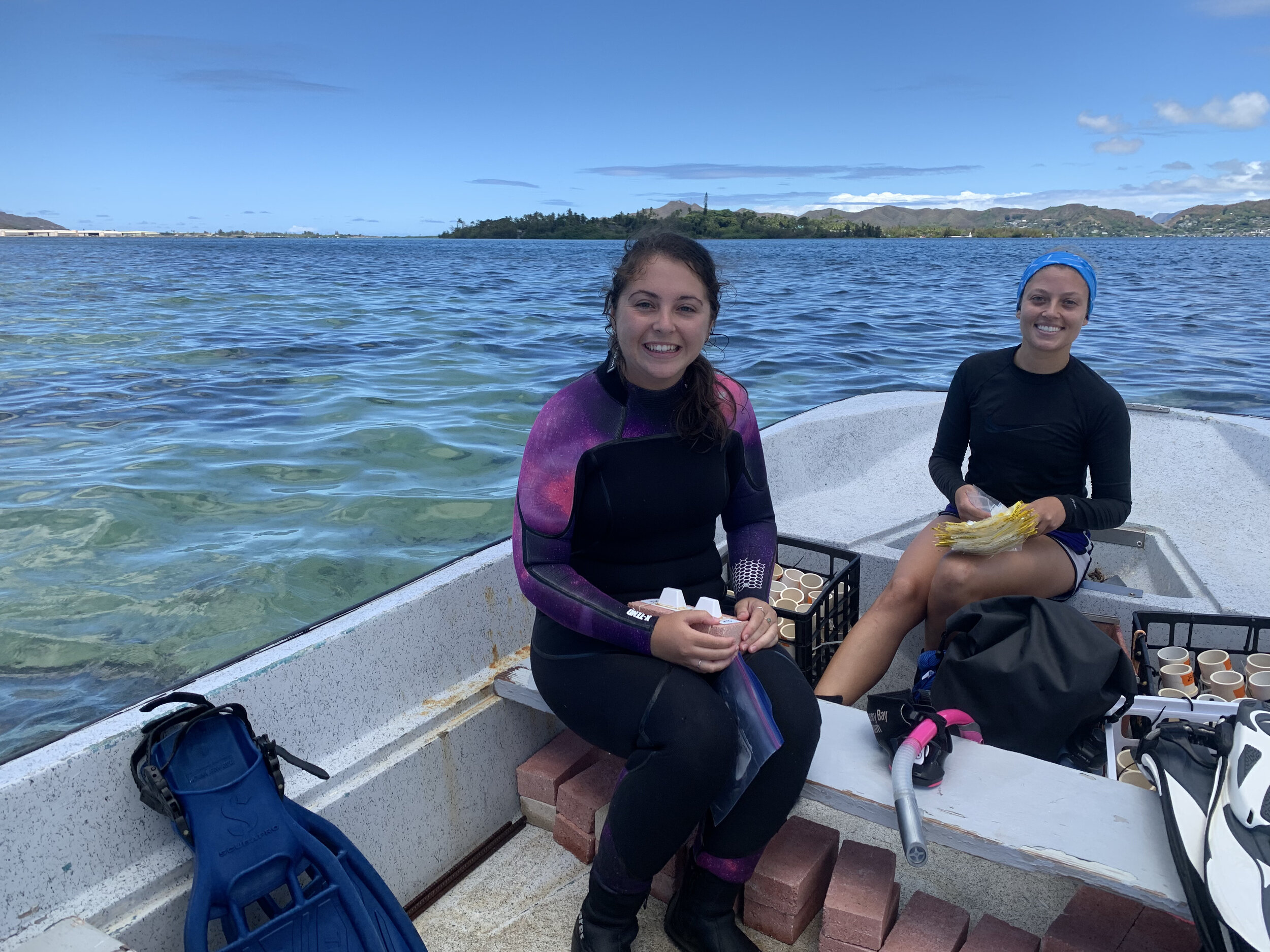
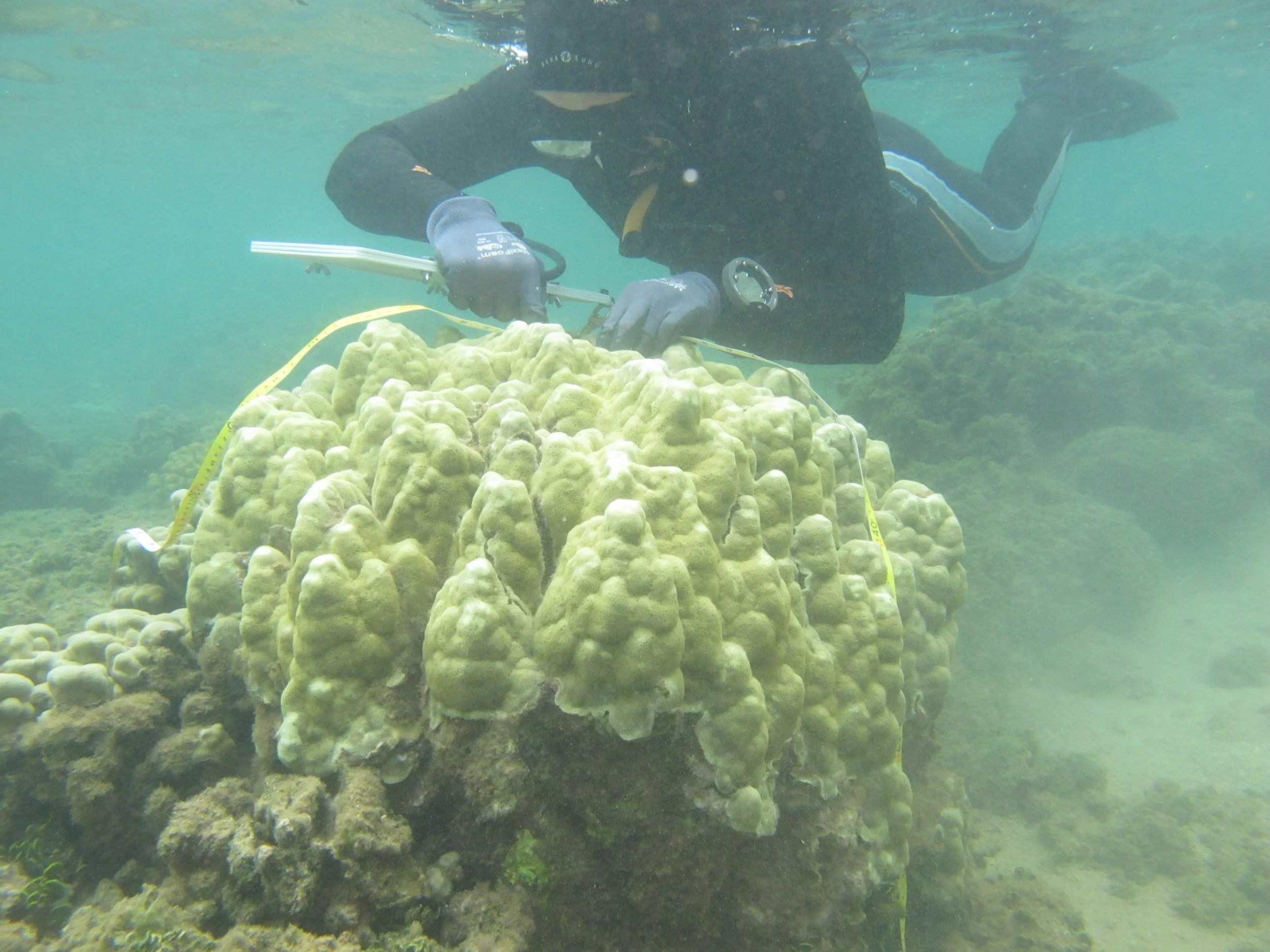
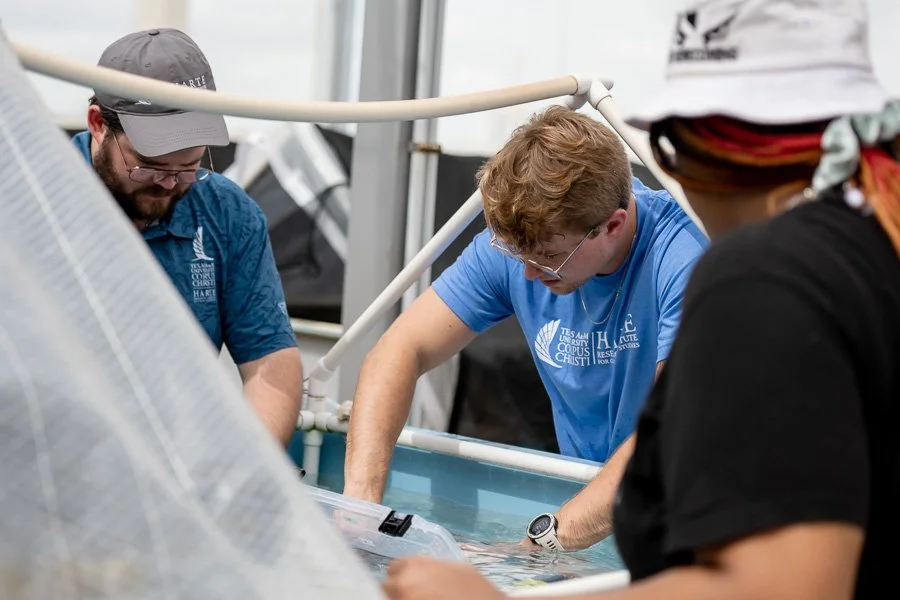
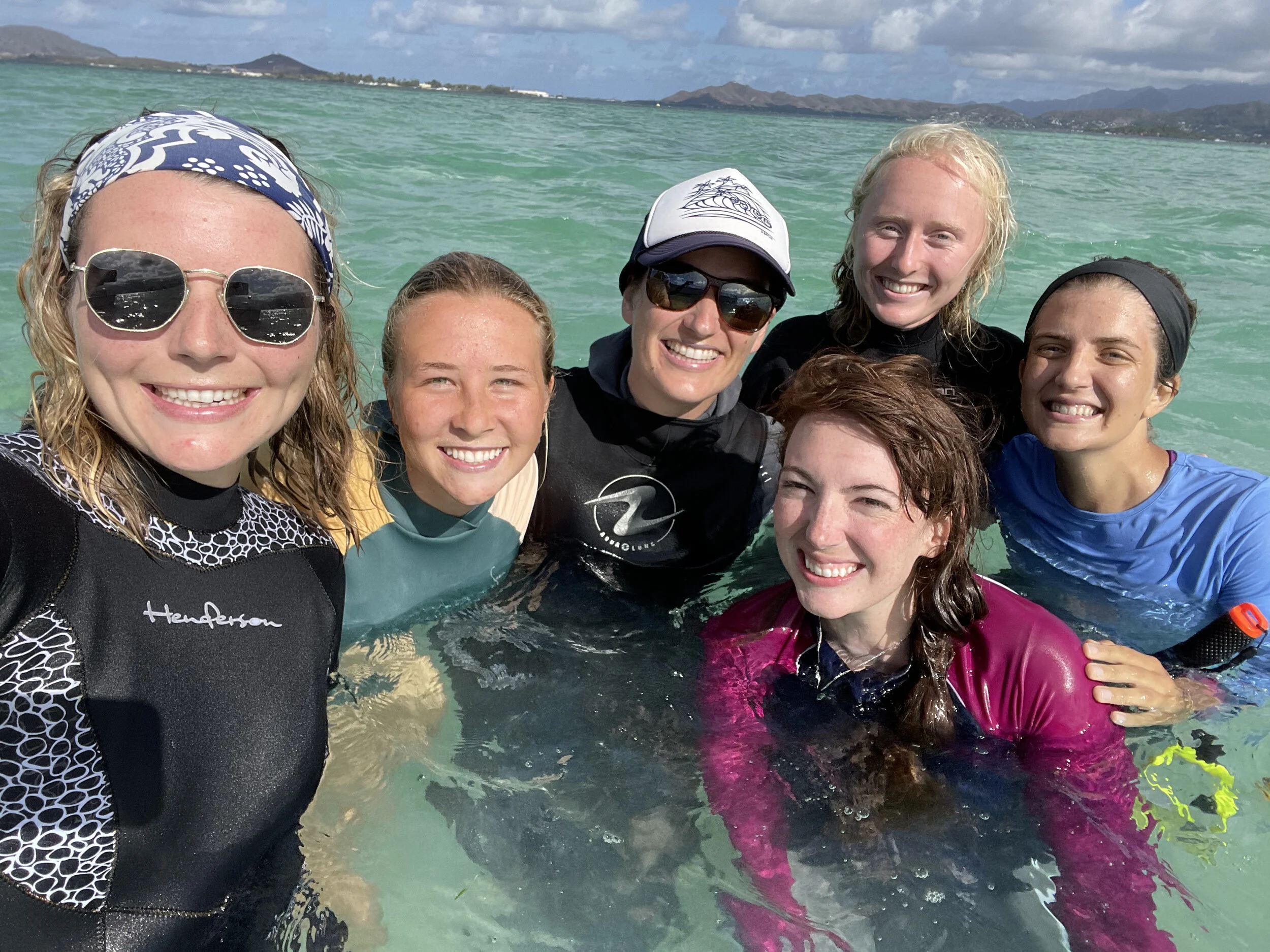
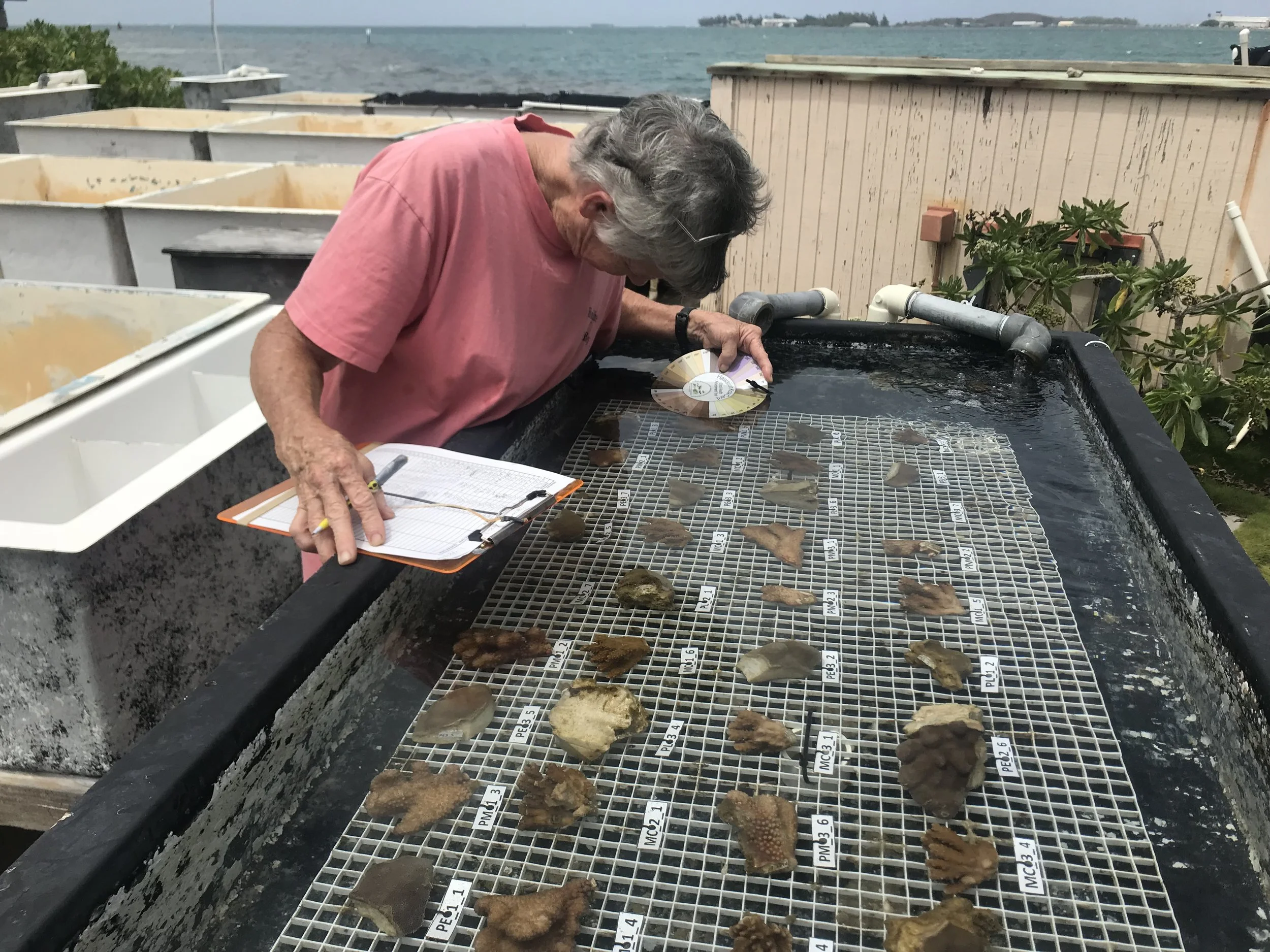
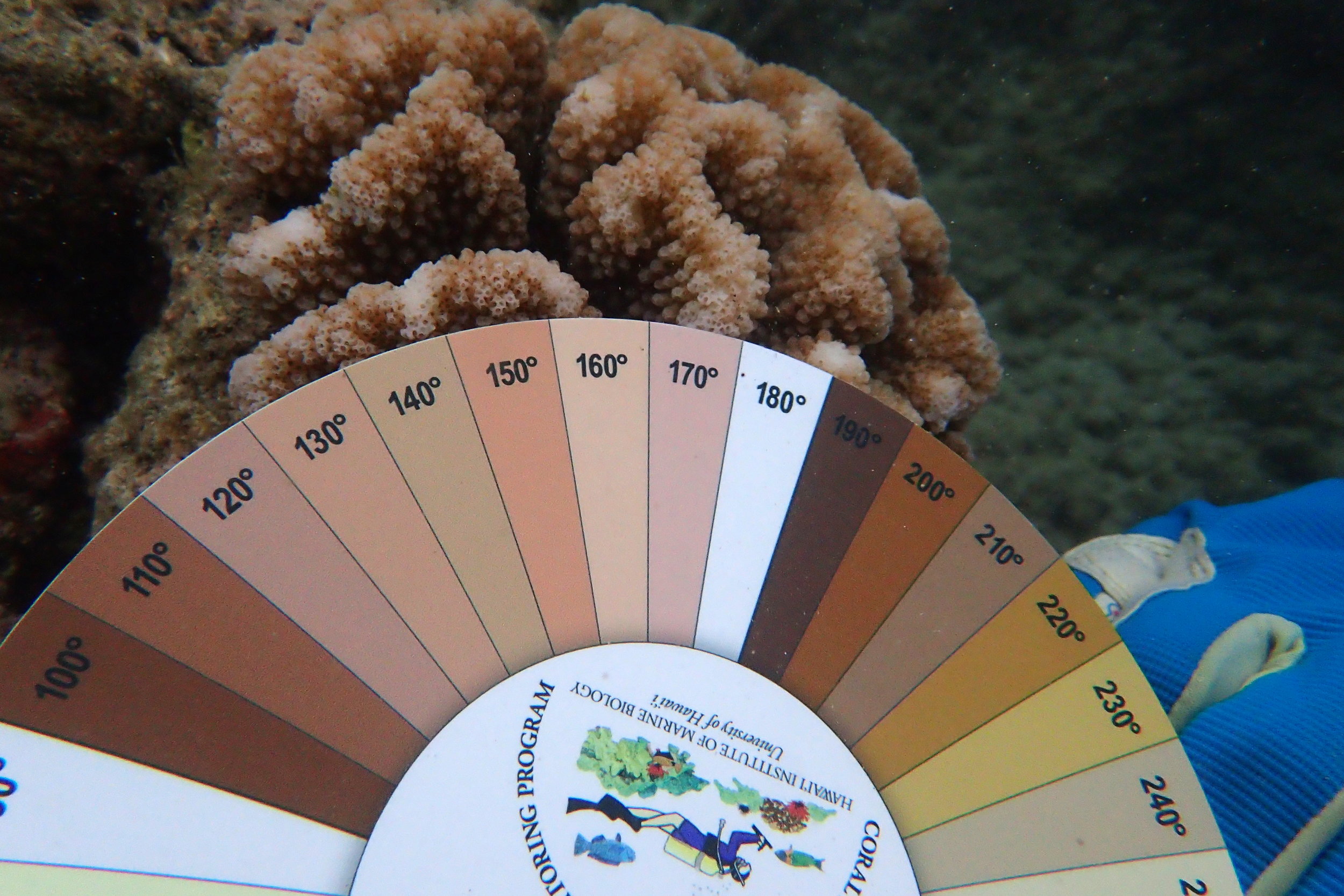
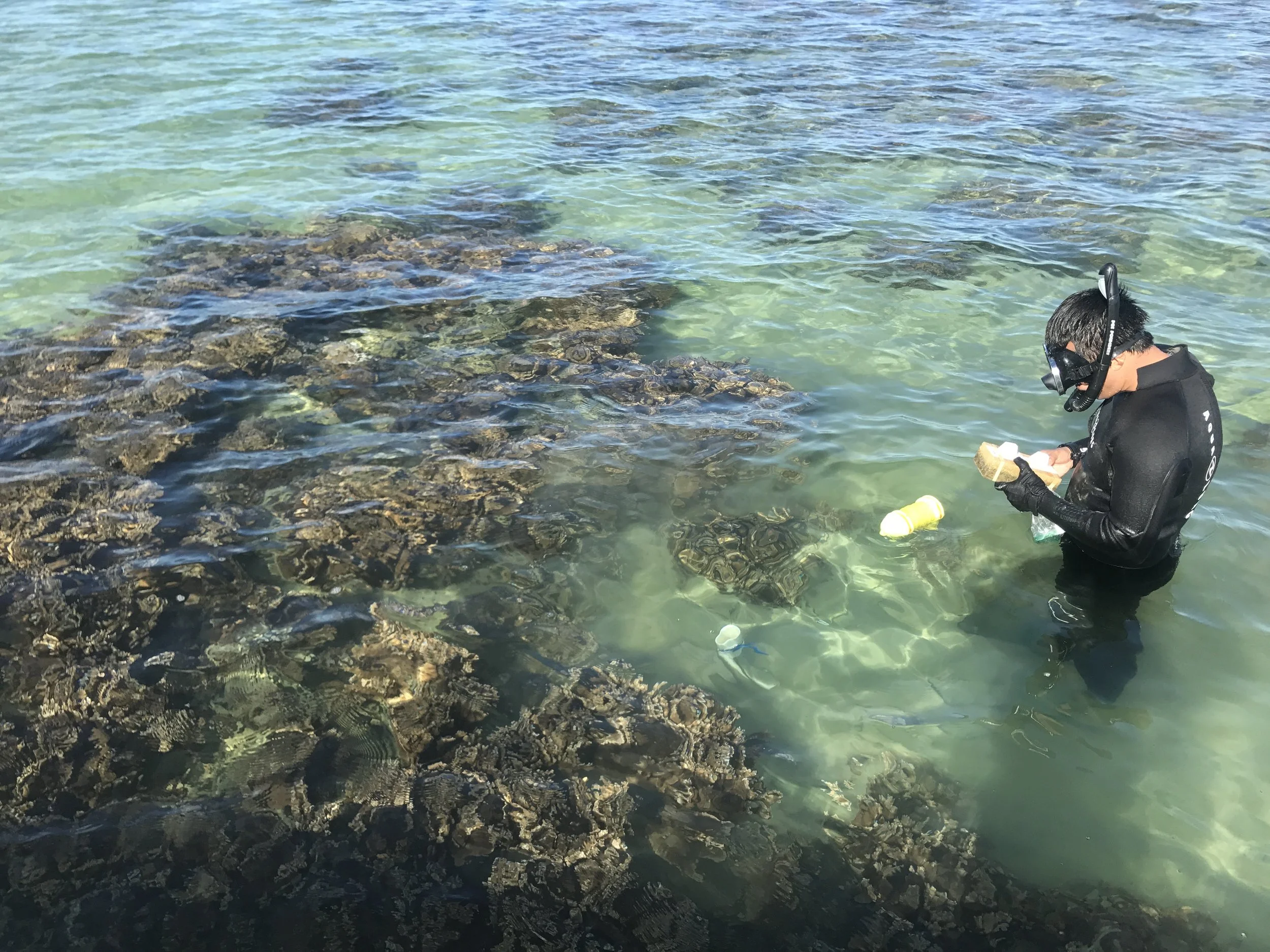
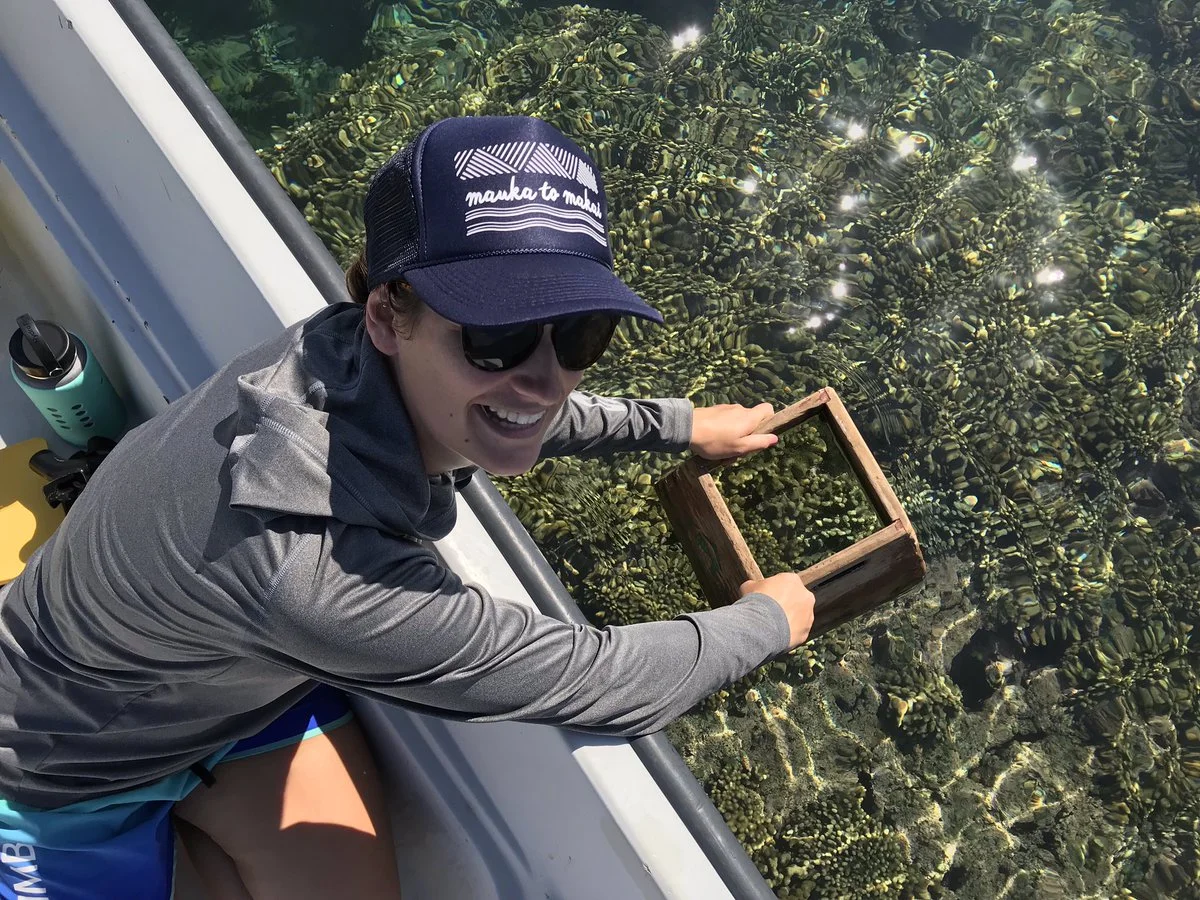
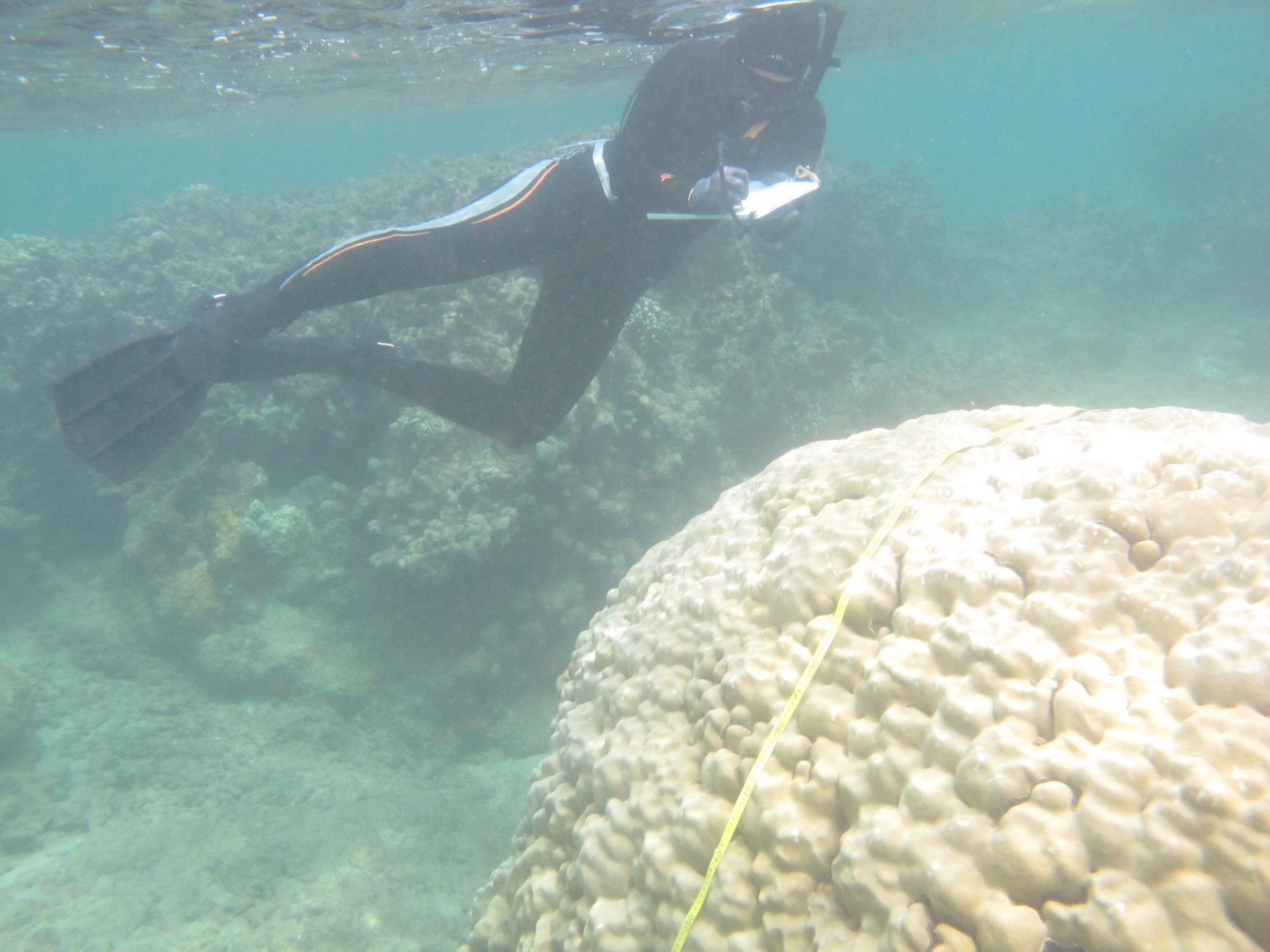
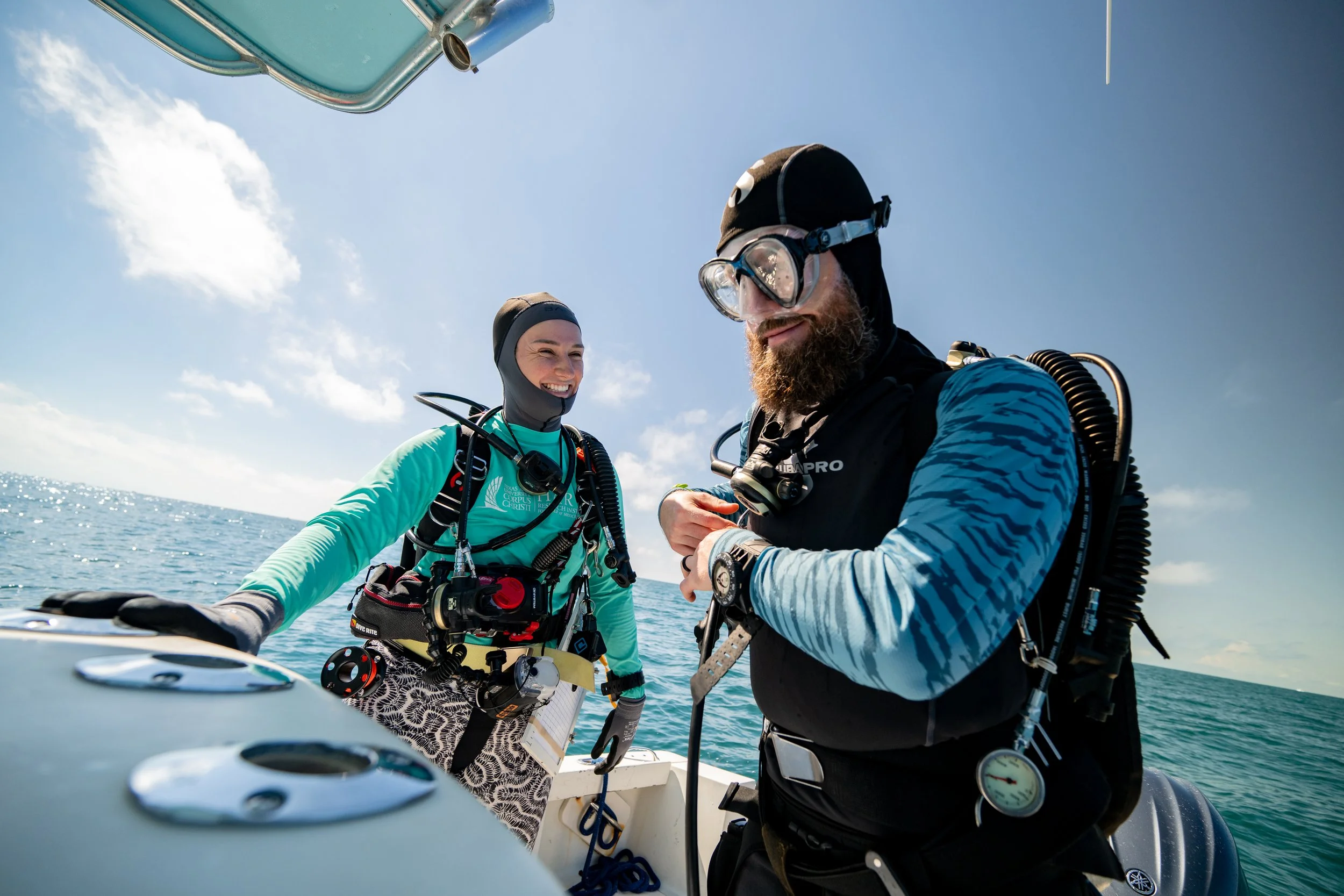
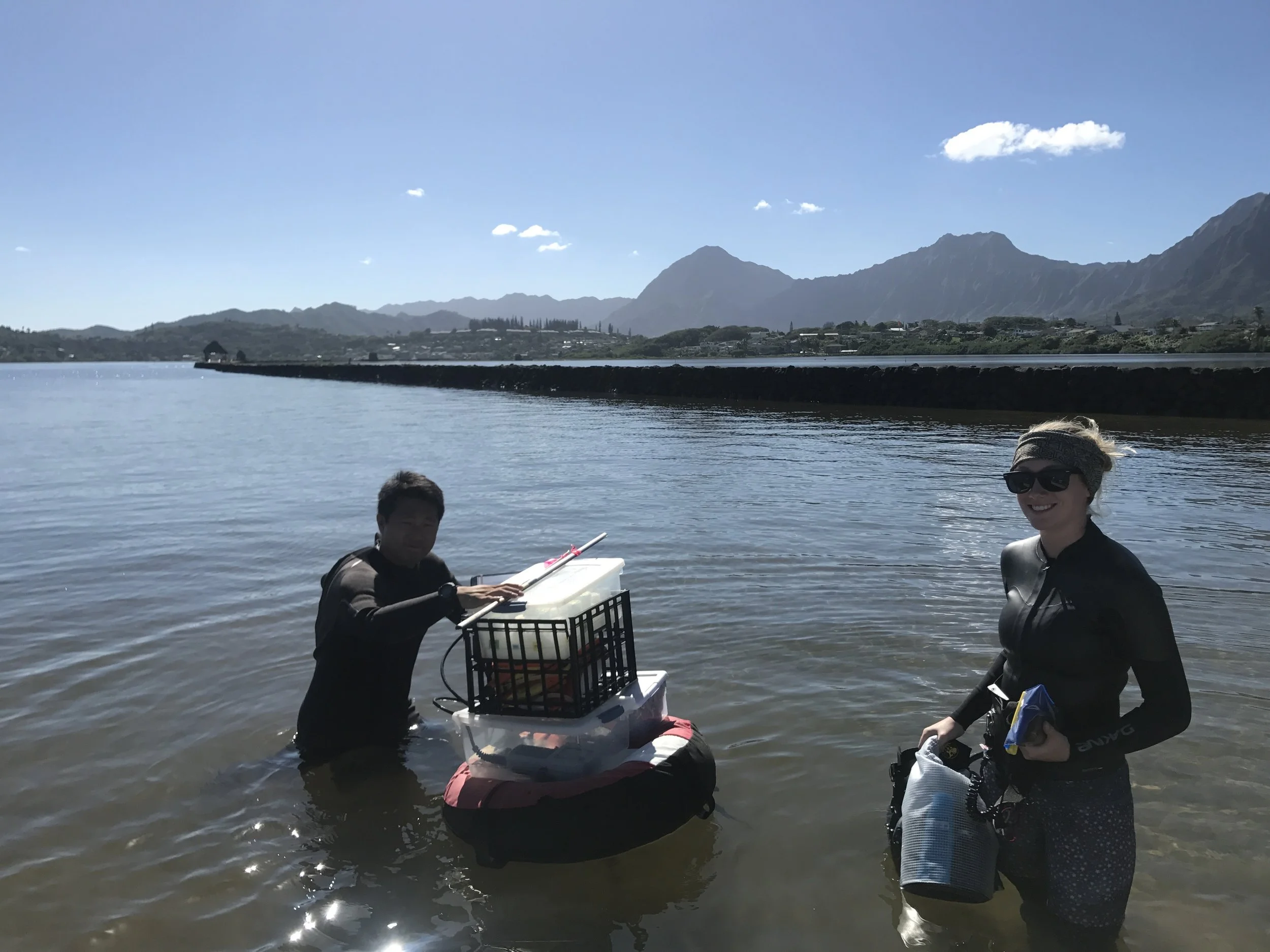
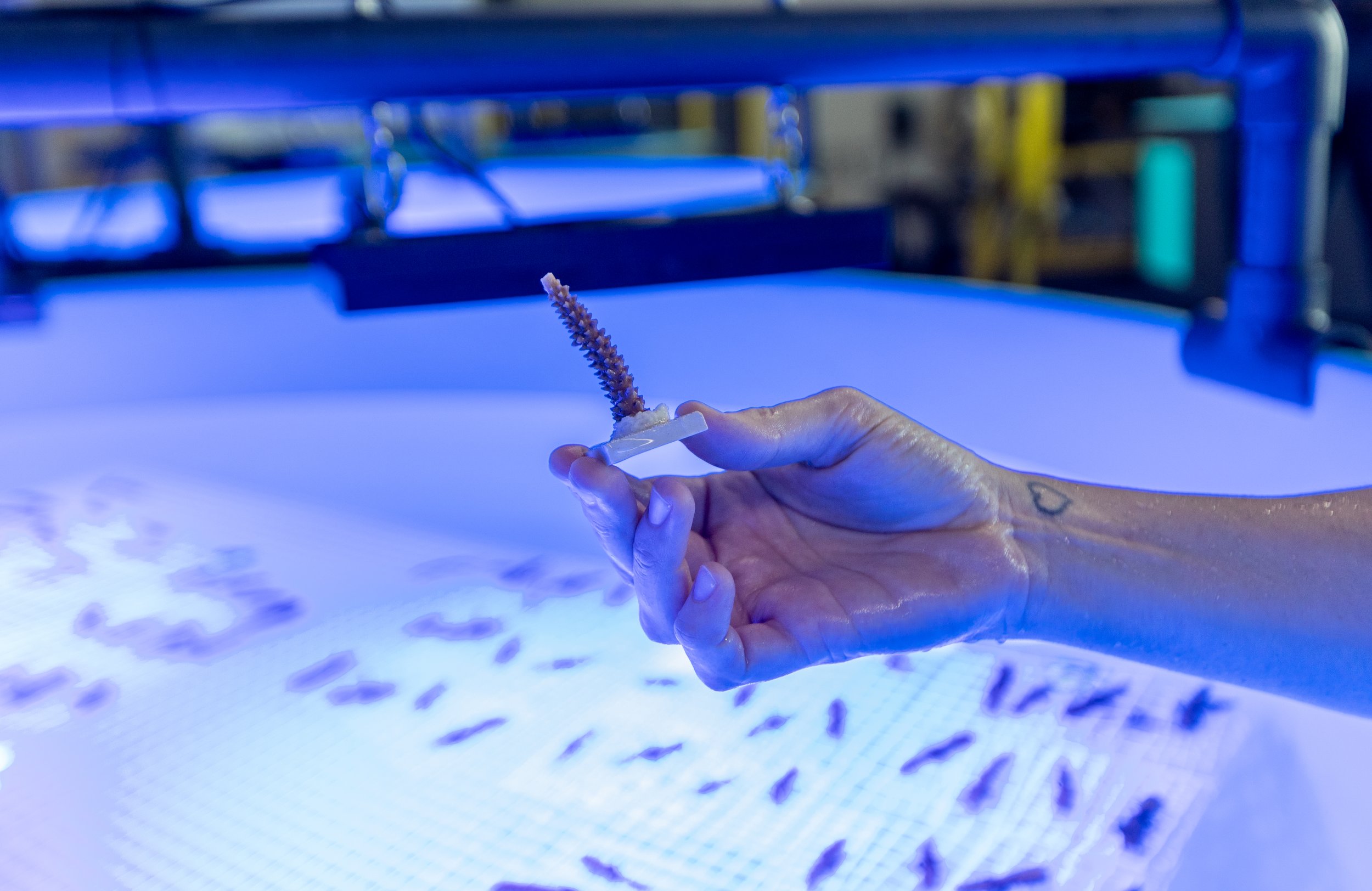
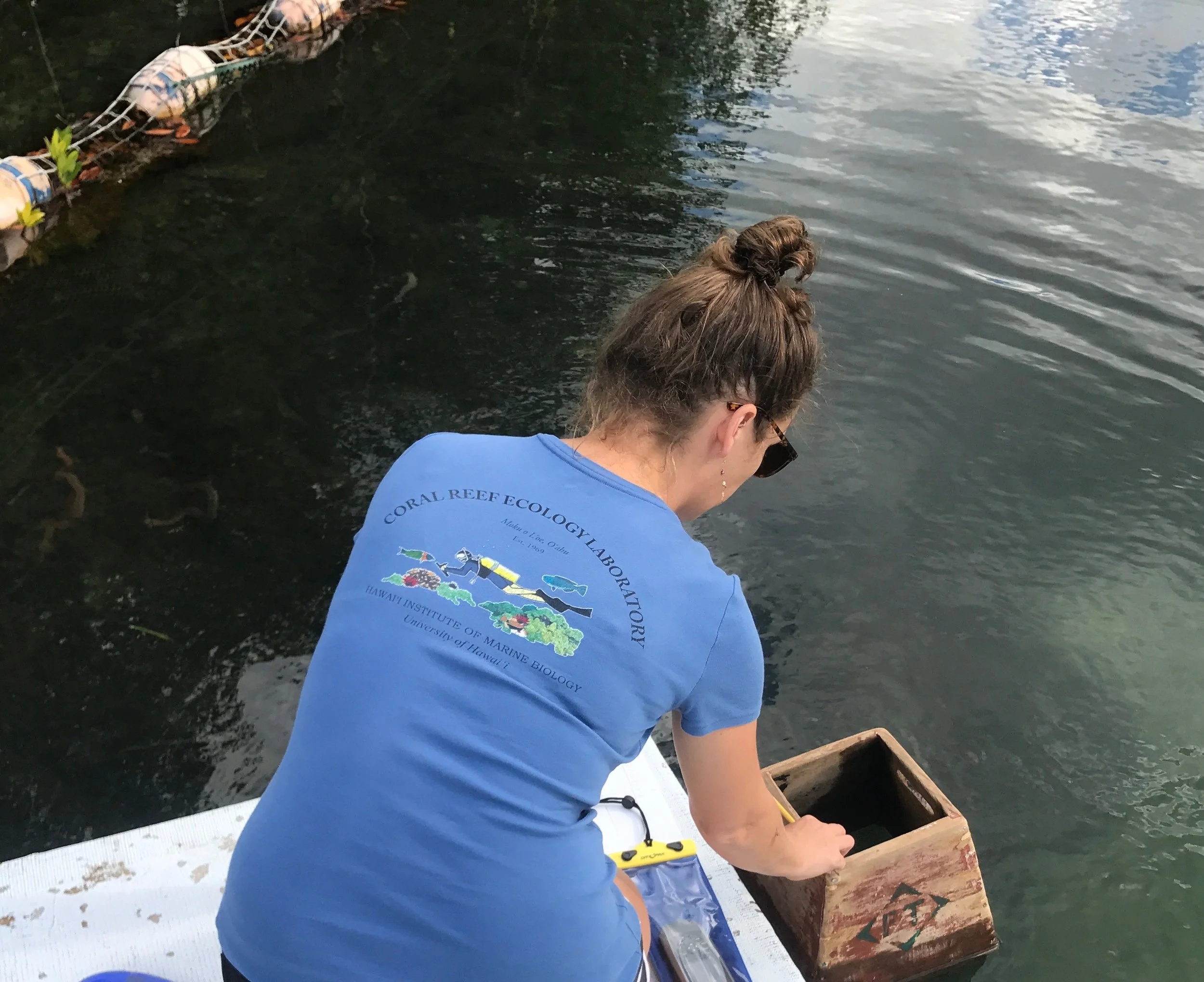
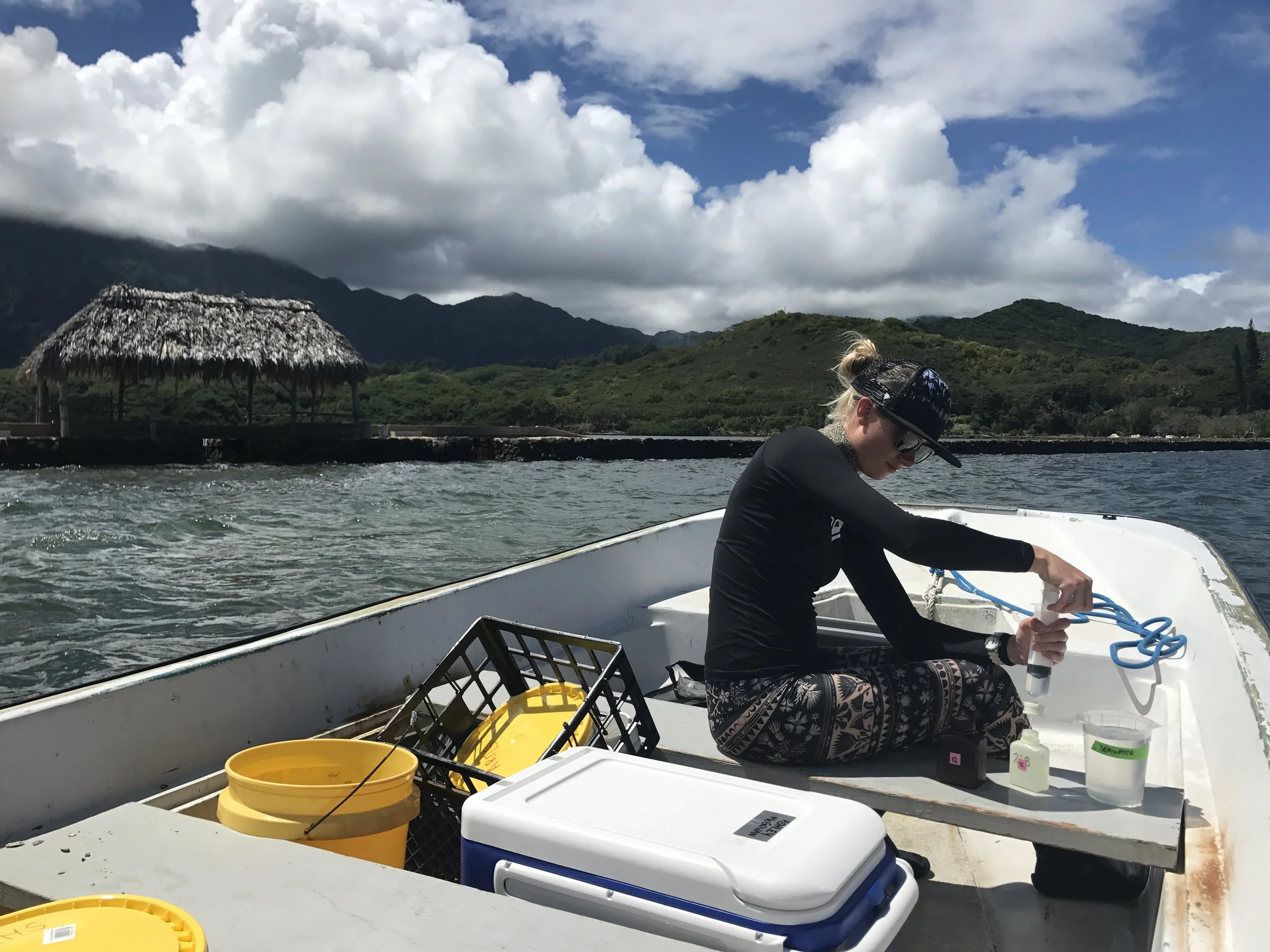
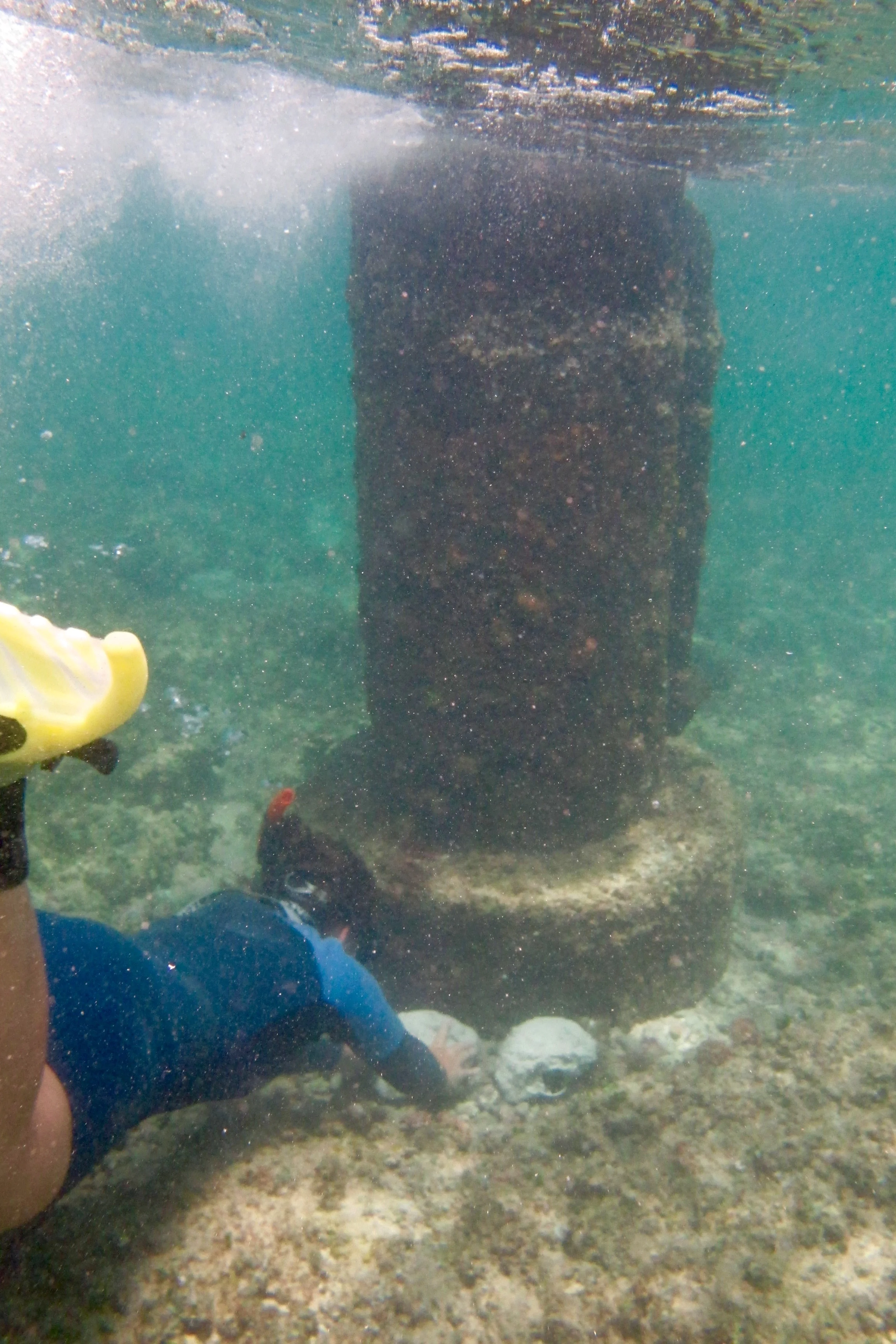
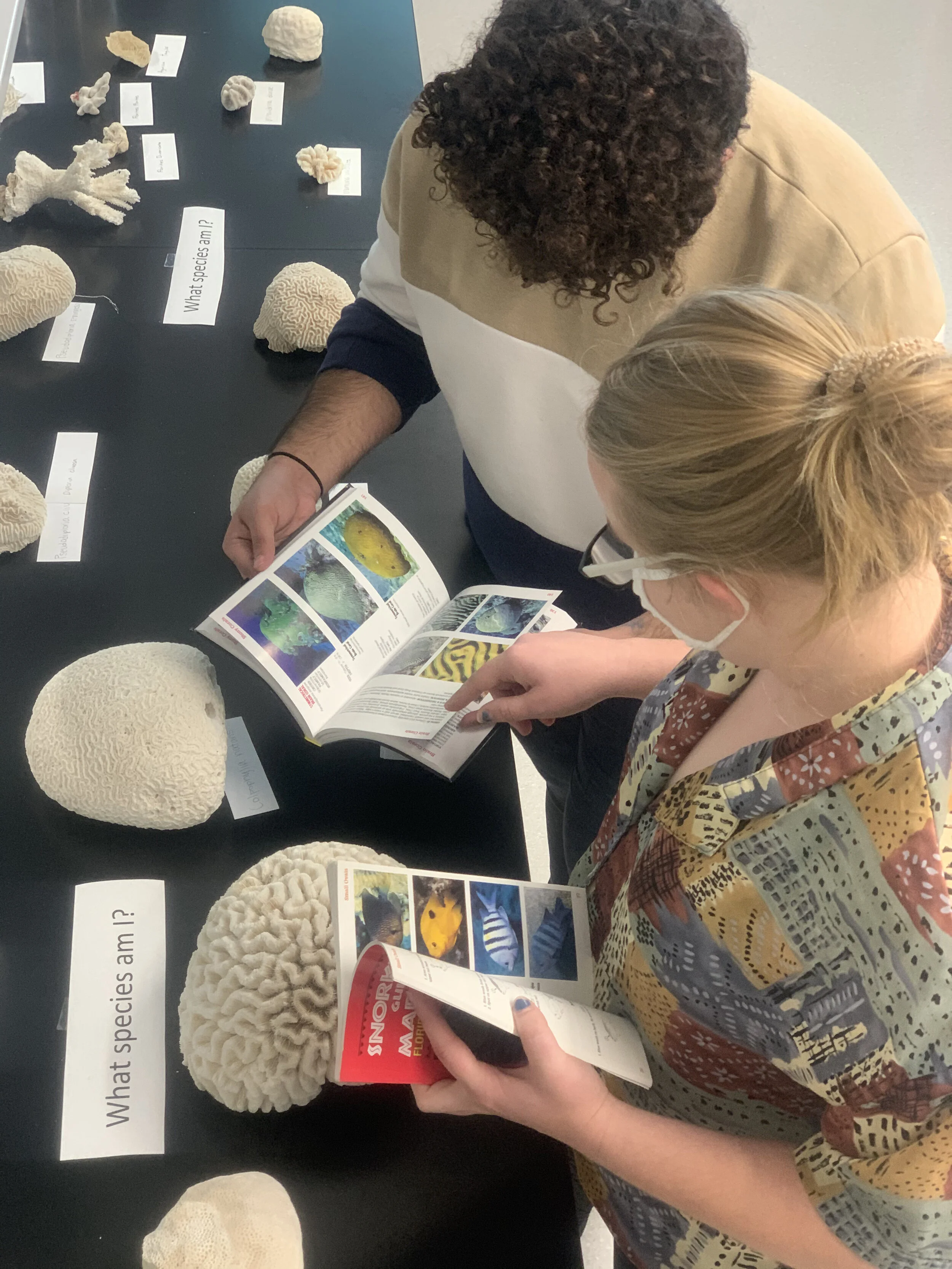
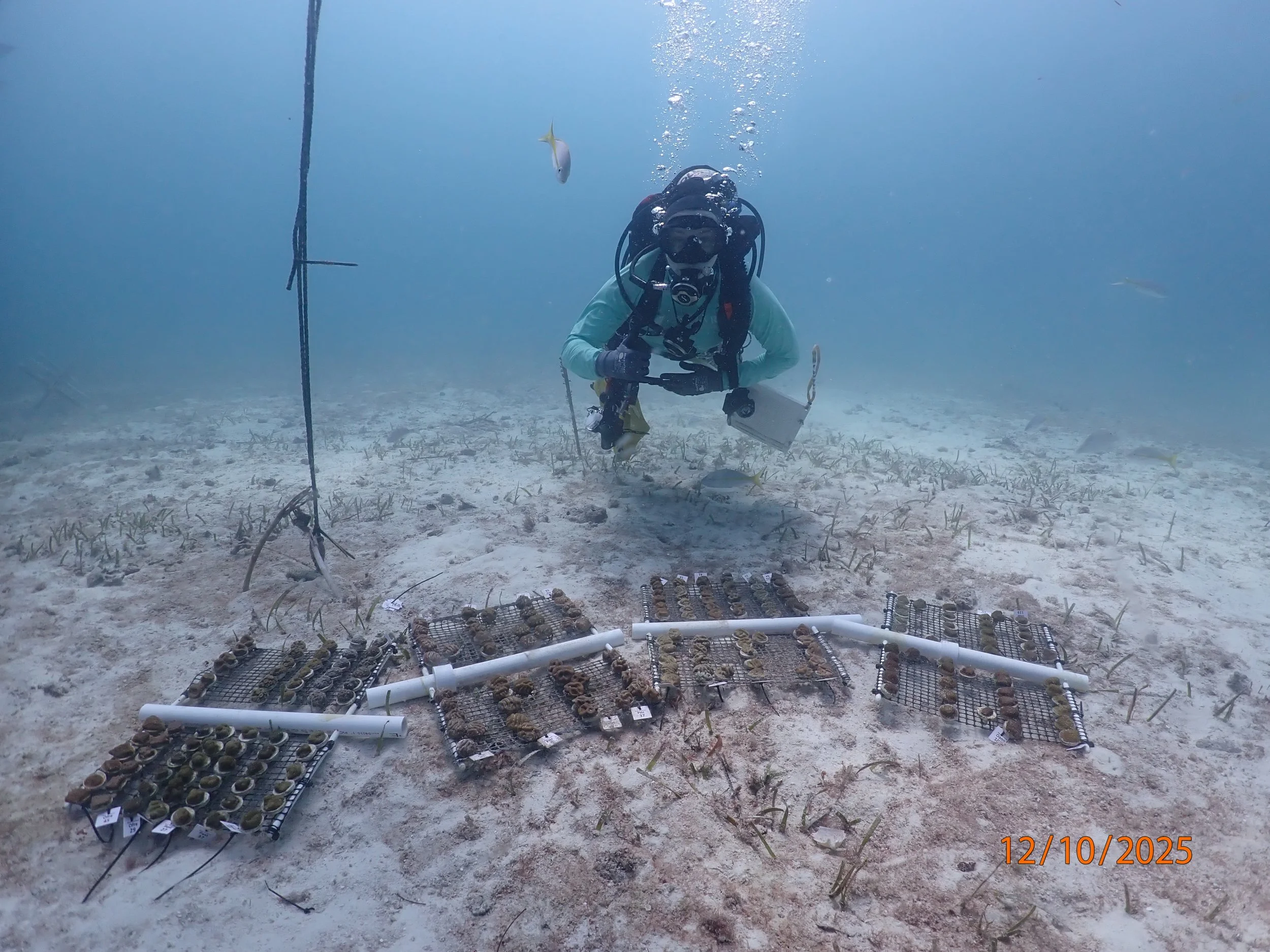
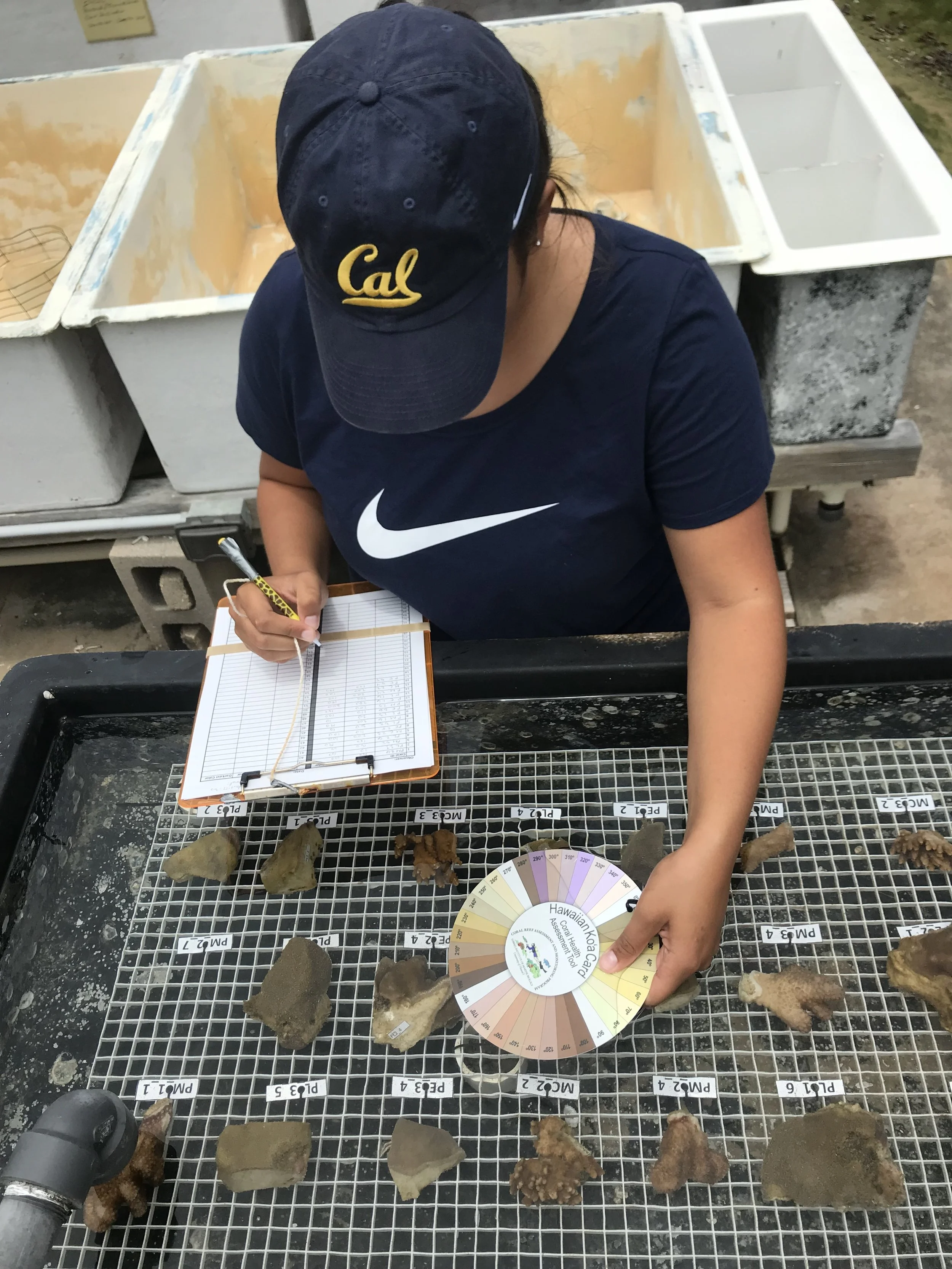
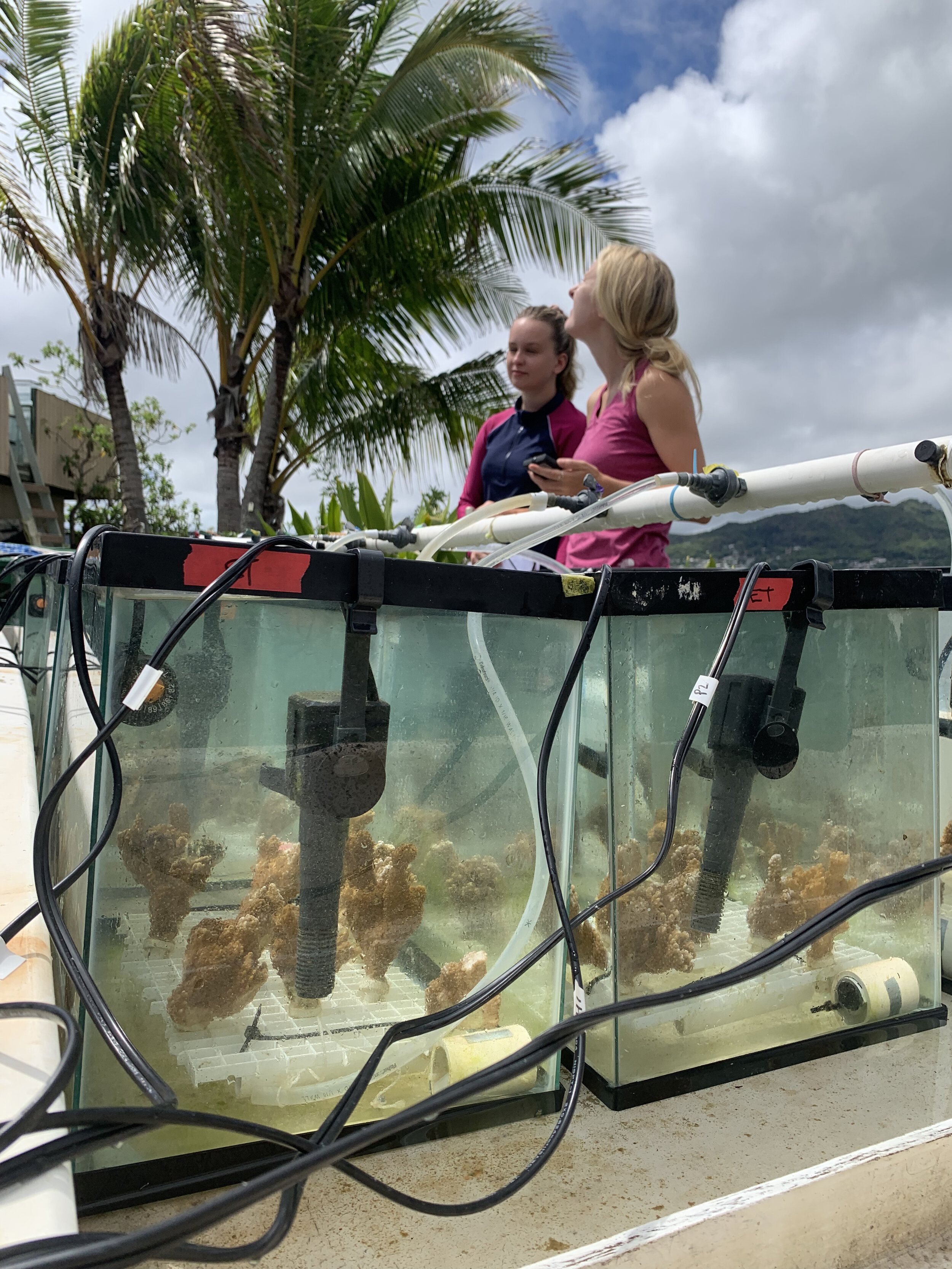
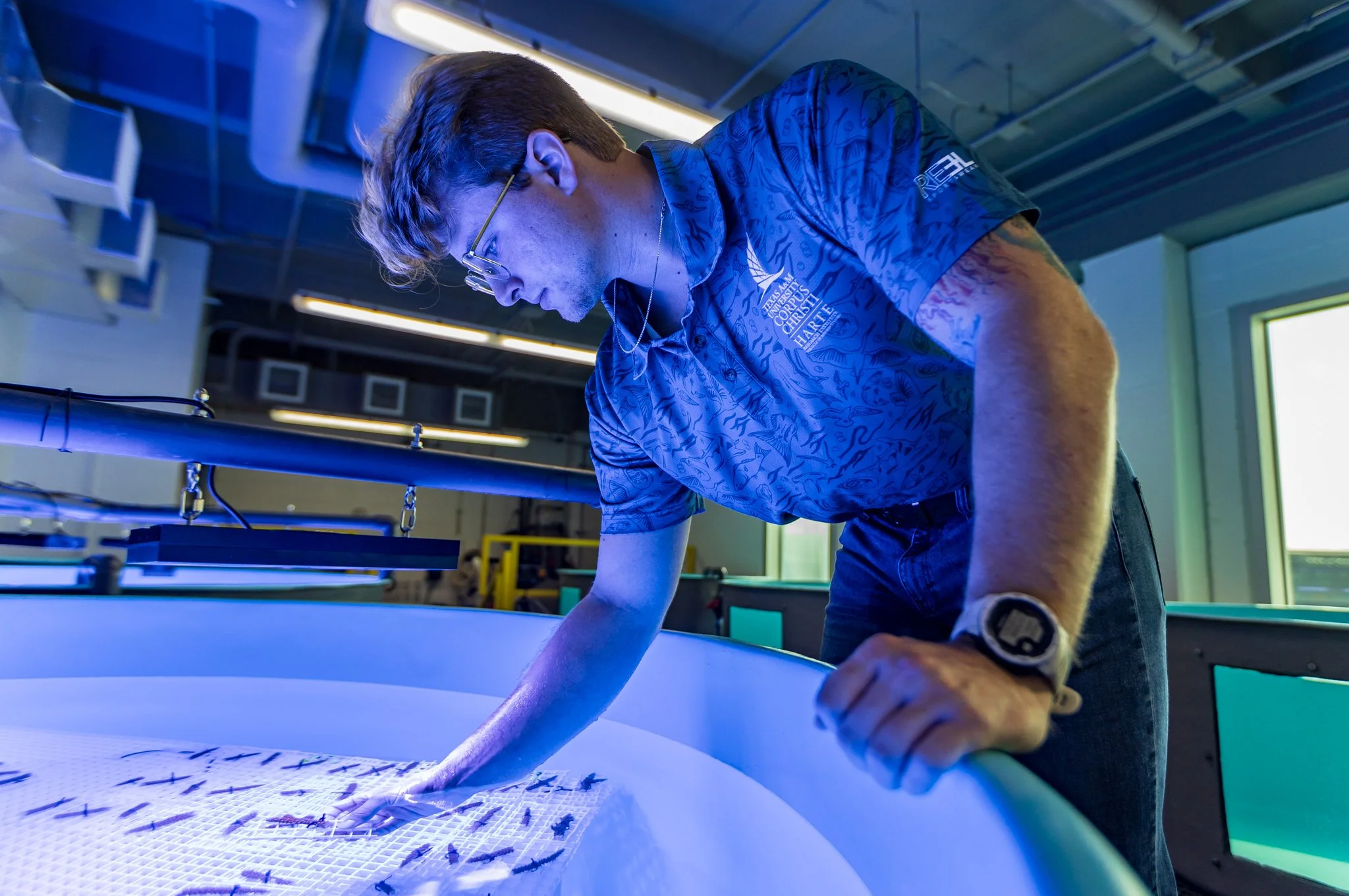

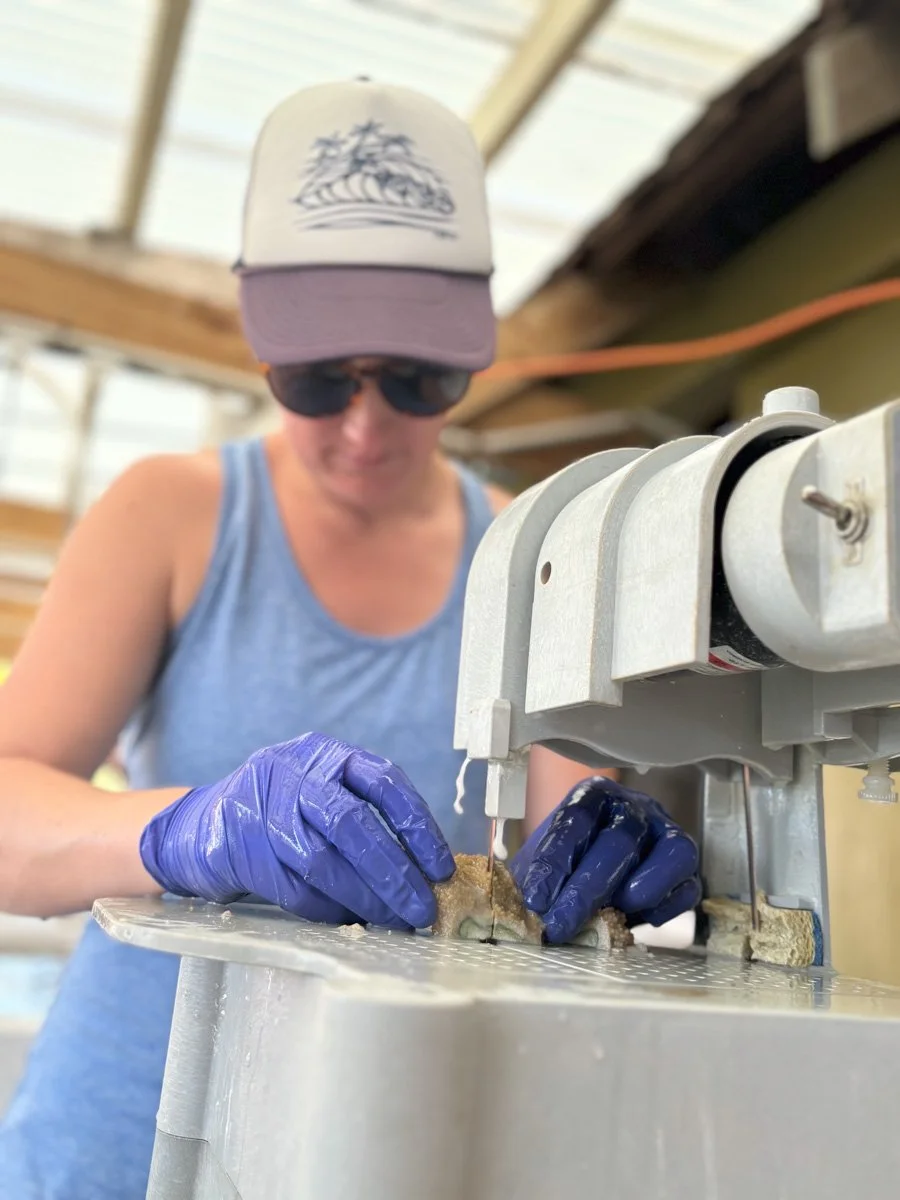
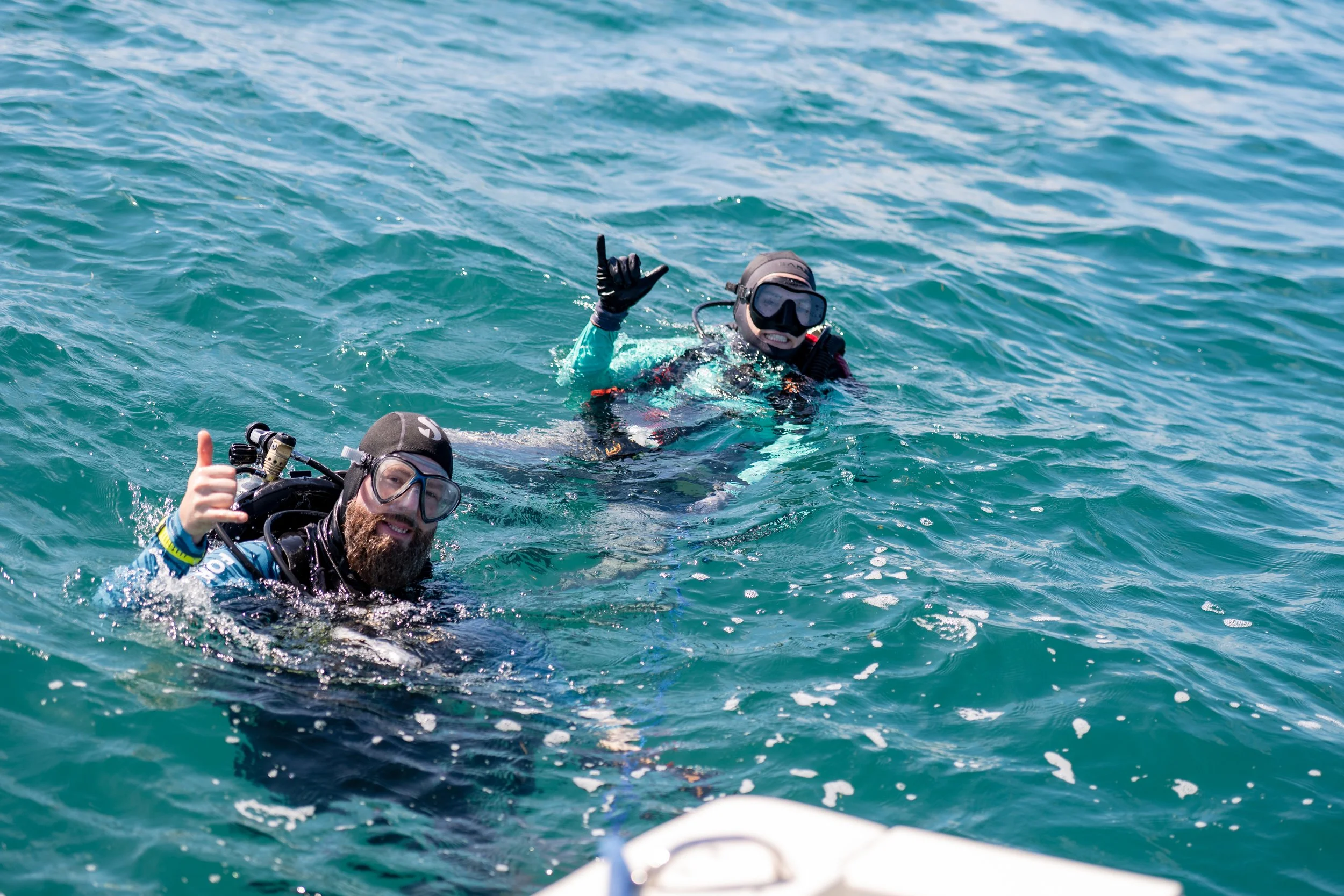
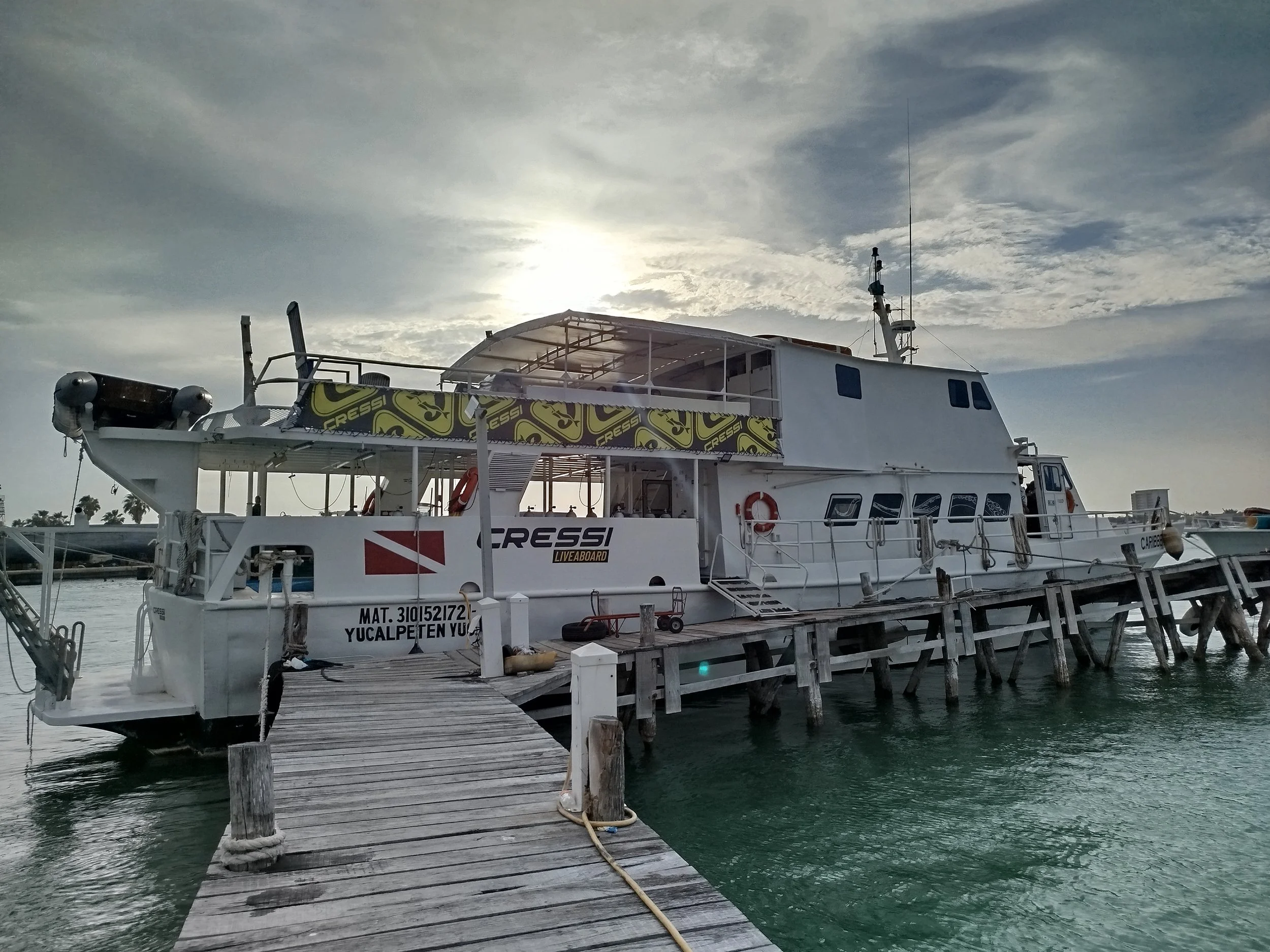
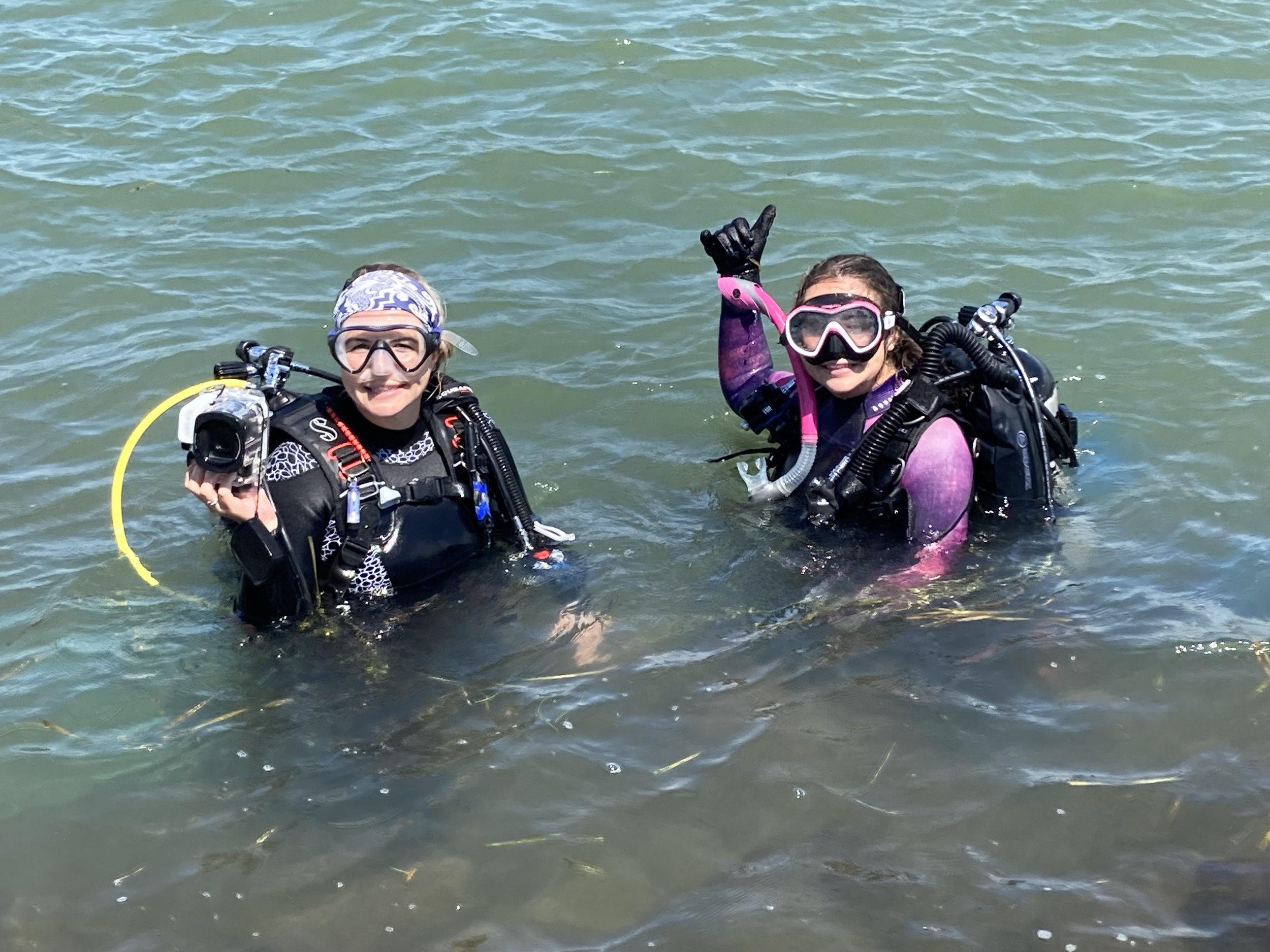

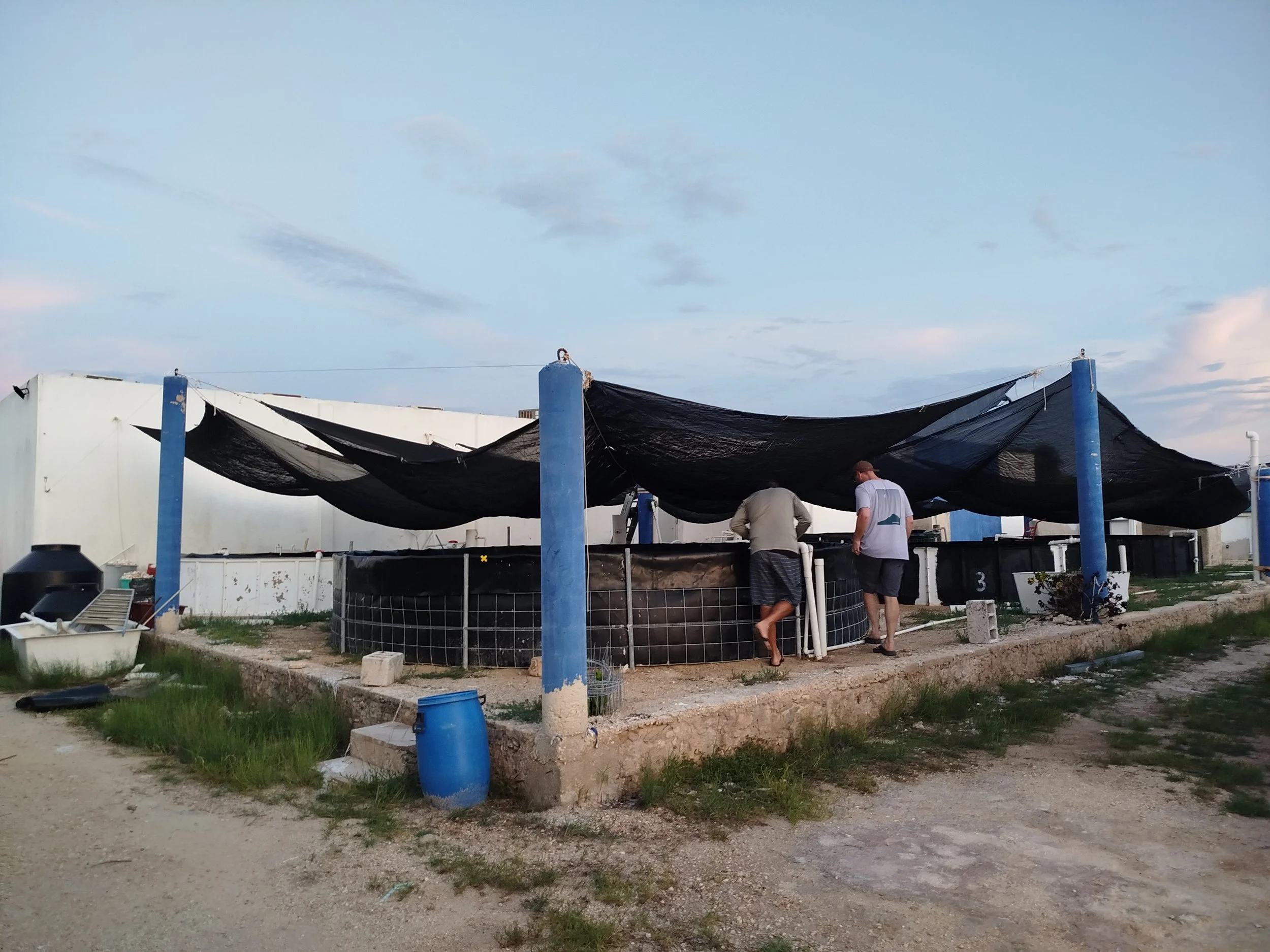
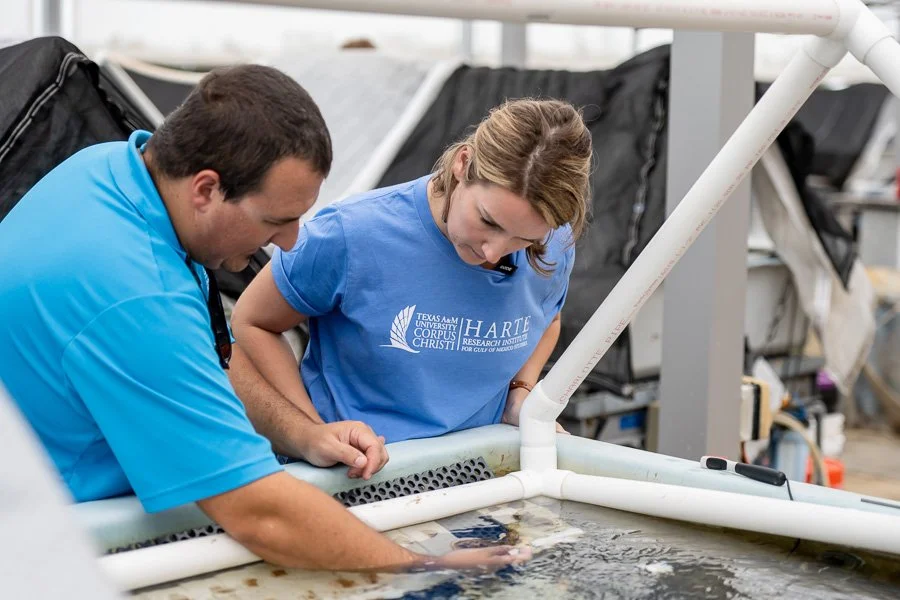
Our research team is dedicated to developing the knowledge and tools to restore, preserve, and manage our marine ecosystems.
Learn more about what we do!
Click here to see what you can do to reduce your environmental impact!
Some of our highlights!
Dr. Keisha Bahr spearheads an innovative hands-on training program designed to empower students undergoing scientific diver training. Drawing upon the methodologies and standards of the NOAA Coral Reef Monitoring Program, this initiative equips participants with essential skill sets crucial for a career in marine science and resource management.
Dr. Bahr and Research Aquarist Jack Willans were invited to the Flower Garden Banks National Marine Sanctuary (FGBNMS) along with other coral and marine scientists in an effort to strengthen research collaboration for the largest and most pristine coral reef system in North America. The FGBNMS comprises 17 coral reefs located at depths of 100 feet or more and 80-130 miles off the coasts of LA and TX, representing a unique coral ecosystem largely unaffected by human interactions or disturbances.
The Coral Reef and Ocean Health Research Group partnered with Reef Renewal USA to transport over 200 coral fragments from a nursery in Tavernier, FL, across the Gulf to the Harte Research Institute, where studies will be conducted to help inform resiliency practices in coral reef restoration